

Solar
Solar + storage: why hybrid systems are the future
Pairing solar with batteries unlocks reliability and savings that neither delivers alone.
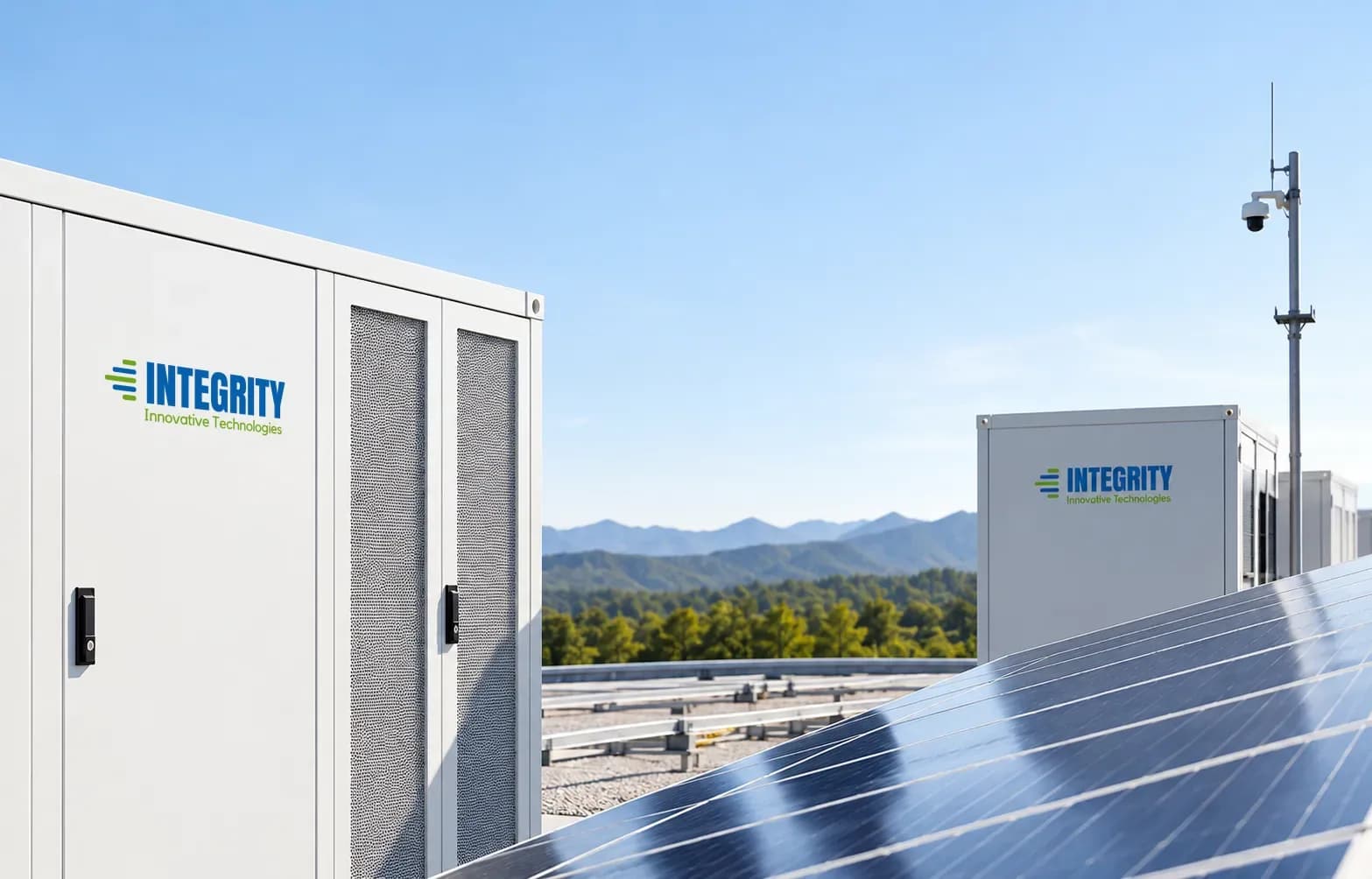
Solar alone gives you cheap electrons during the day and nothing after sunset. Storage alone gives you flexibility but no free fuel. Put them in the same system and the economics — and the reliability — change completely.
Why pairing beats going it alone
A solar-only system is exposed to curtailment the moment production outpaces what a site can use or export. A storage-only system still buys expensive grid power to recharge. Hybrid systems solve both problems at once, storing midday generation and discharging it exactly when tariffs or demand peak.
That combination also smooths the revenue case: storage captures value from time-of-use arbitrage and demand charges, while solar handles the baseline energy cost — each technology doing the job it’s best suited for.
A hybrid system doesn't just generate and store energy separately — it turns every kilowatt-hour into the highest-value version of itself.
Four things that make a hybrid system work
- Right-sized storage — battery capacity should match your evening load, not your solar array.
- Smart inverter coordination — a single controller must arbitrate between charging, discharging, and export in real time.
- Tariff-aware dispatch — the system should shift behavior automatically as rate structures change.
- Export management — curtailment and interconnection limits should trigger storage, not wasted generation.
Getting the sizing right
Oversizing storage for a solar array that can't fill it is one of the most common — and most expensive — mistakes we see. The battery should be sized against your load profile and rate structure, with the array sized to keep it full.
Done well, a hybrid system pays back faster than either technology alone, because it's earning value from generation, storage, and demand management simultaneously.
The future of distributed energy isn't solar or storage — it's the two working as one system.