
Projects
Building microgrids for energy-access communities
Lessons from deploying solar microgrids in areas with no existing grid infrastructure.
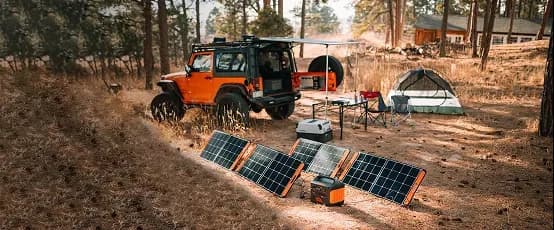
For a community with no grid connection at all, a microgrid isn't a backup system — it's the only power system there is. That changes almost every design assumption that applies to a grid-connected project.
Designing for a grid that has no fallback
A grid-connected system can lean on the utility during a shortfall. An off-grid microgrid has nowhere else to draw from, so generation, storage, and load management all need enough margin to handle worst-case conditions, not average ones.
That usually means oversizing storage relative to a grid-tied project, and building in load-shedding logic that protects critical services — clinics, water pumps, schools — even if it means curtailing less essential load first.
In a grid-connected project, redundancy is a nice-to-have. In an energy-access microgrid, it's the entire design brief.
Four priorities that shape an energy-access microgrid
- Critical load protection — clinics, water, and communications kept powered even during a shortfall.
- Local serviceability — equipment maintainable by technicians trained on site, without waiting on a distant specialist.
- Right-sized generation — solar and storage sized against realistic, metered demand rather than aspirational growth.
- Community ownership — a maintenance and payment model that keeps the system running after the installation team leaves.
What makes these projects last
The projects that keep running years later are rarely the most technically sophisticated — they're the ones designed around what a local team can actually maintain, with spare parts and training built into the plan from day one.
That's a different design discipline than a grid-tied commercial project, where a service call is always a phone call away.
Energy access isn't solved by the installation — it's solved by whether the system is still running five years after everyone who built it has gone home.