
Projects
Off-grid power for remote infrastructure projects
How mobile solar-plus-storage units are replacing diesel generators on job sites.
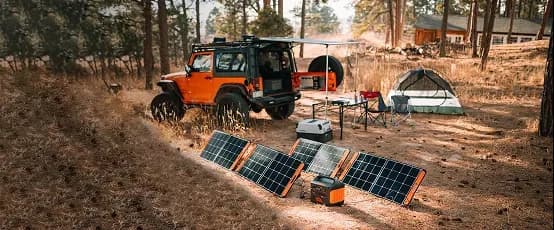
Diesel has powered remote job sites for decades because it was portable and reliable. Mobile solar-plus-storage units are now matching that reliability — without the fuel logistics.
Why diesel is losing ground
Fuel delivery to remote sites is expensive, logistically fragile, and increasingly scrutinized on emissions grounds — costs that compound the further a site sits from a supply route.
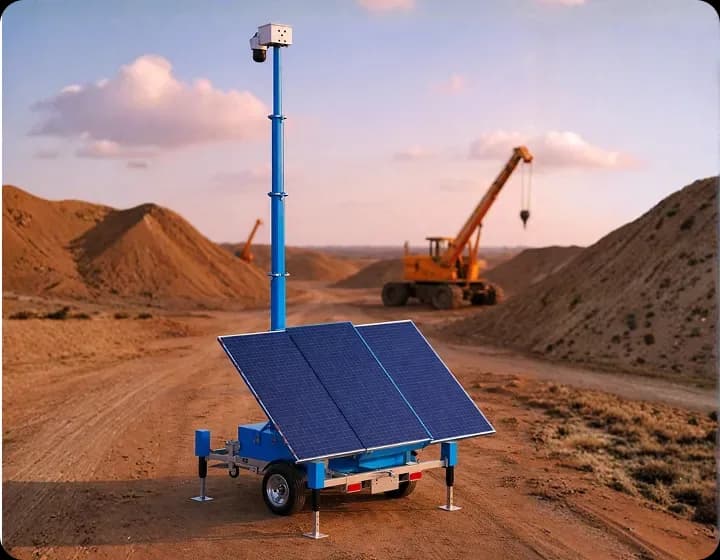
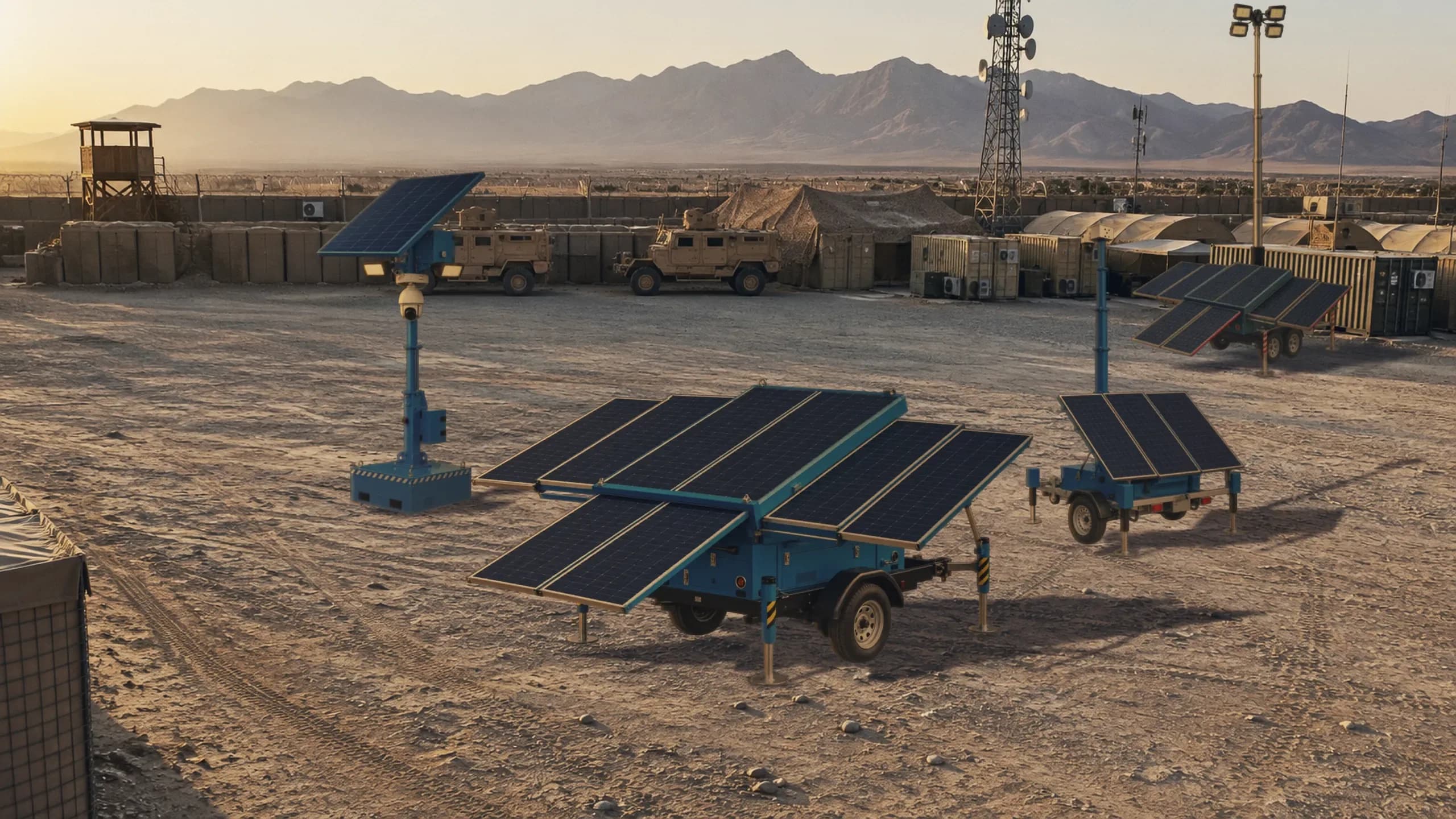
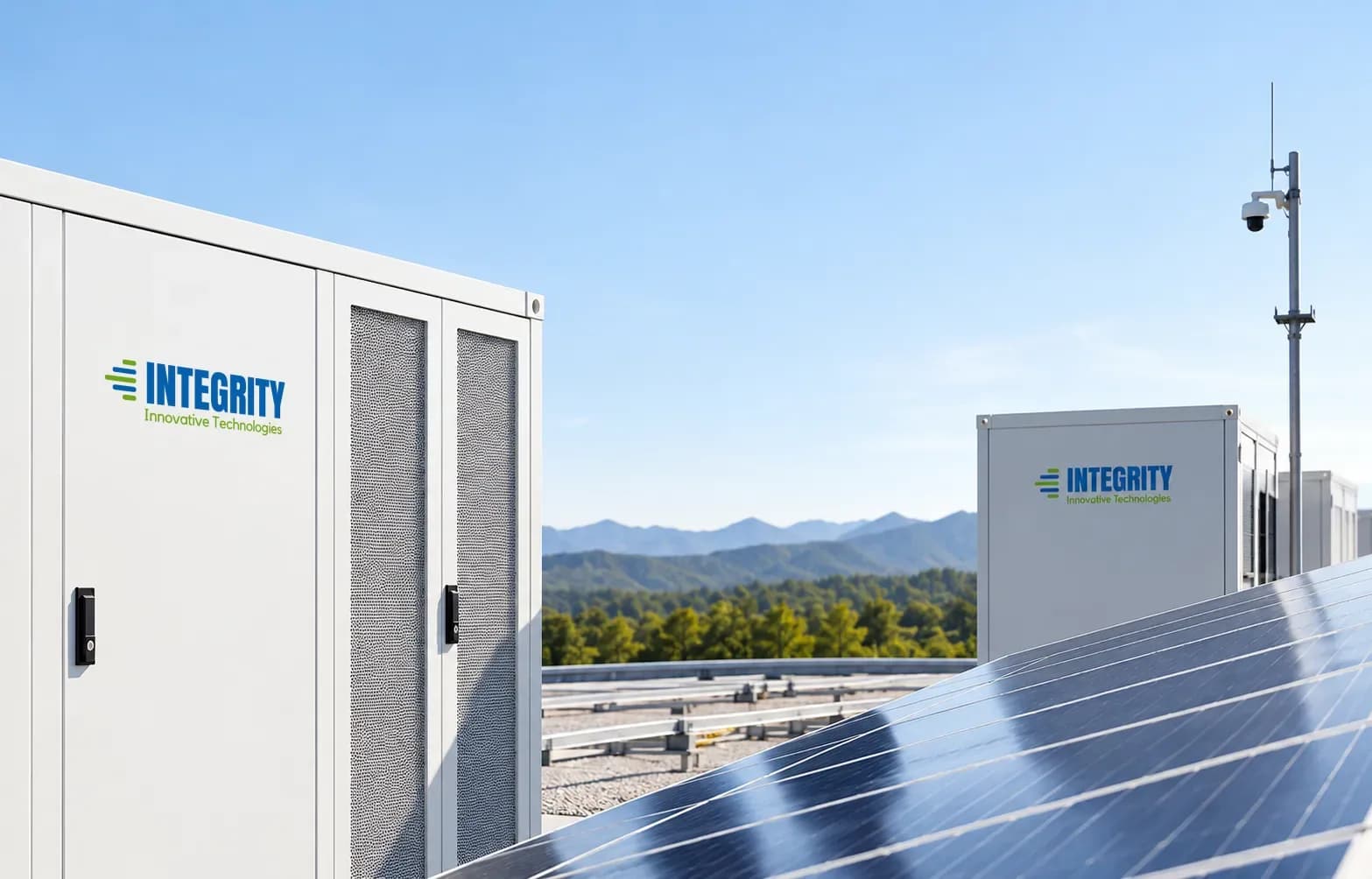
A mobile solar-plus-storage unit generates and stores its own power on site, eliminating fuel deliveries entirely for most daily loads and reserving any generator on site purely as backup.
The best fuel delivery logistics plan is the one you no longer need.
Four factors that determine if a site is ready to go hybrid
- Load profile — continuous, predictable loads are easiest to serve; large intermittent spikes still need generator support.
- Site duration — the economics improve sharply the longer a unit stays deployed at one location.
- Sun resource — even modest solar resource offsets a meaningful share of fuel consumption over a project's duration.
- Redundancy requirements — critical loads still warrant a backup generator, sized much smaller than a diesel-only design.
What a hybrid deployment actually looks like
Most remote projects don't go 100% renewable on day one — they pair a right-sized solar-plus-storage unit with a smaller backup generator, cutting fuel consumption by the majority while keeping the redundancy site managers expect.
Over a multi-month project, that reduction in fuel deliveries alone often pays for the mobile unit before accounting for reduced maintenance and emissions.
Remote power used to mean choosing between reliability and cost. Hybrid mobile units are removing that trade-off entirely.