


Smart Grid
Demand response: what every facility manager should know
Automated demand response programmes reduce costs and stabilise the grid at the same time.

Demand response pays facilities to use less electricity — or shift when they use it — during the moments the grid needs it most. For most facility managers, it's the easiest revenue a building will ever generate.
How the mechanics actually work
A grid operator or utility issues an event — typically a few hours' notice during peak demand or system stress — and enrolled facilities reduce load by a pre-committed amount, whether through equipment shutdowns, battery discharge, or generator support.
Automated systems that execute the reduction without manual intervention consistently perform better than manual programs, both because they respond faster and because they don't depend on someone being available when the event is called.
The facilities earning the most from demand response are the ones that automated it and forgot about it.
Four things that determine program value
- Response speed — automated systems that react in seconds capture higher-value, faster-response program tiers.
- Load flexibility — equipment that can shed or shift without disrupting operations expands what a facility can commit to.
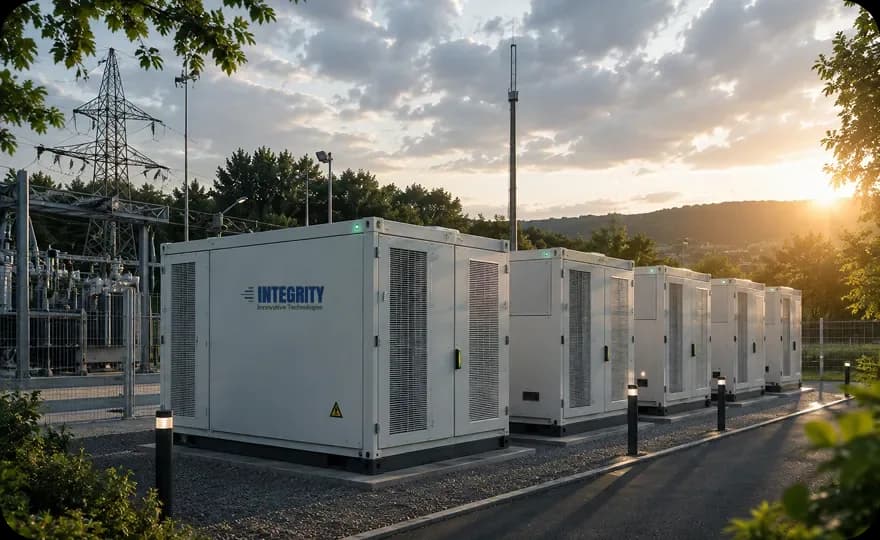
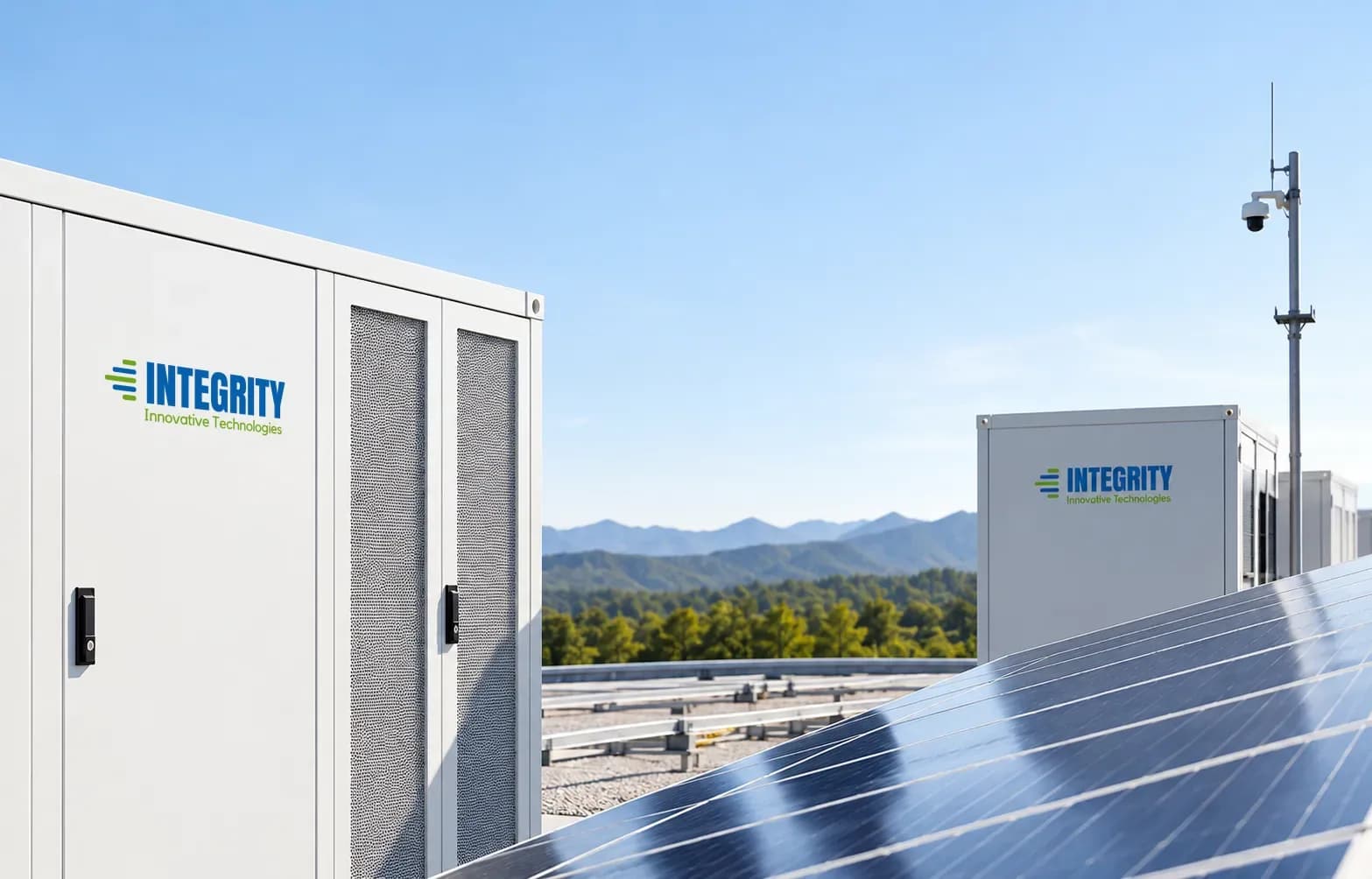
- Battery support — on-site storage lets a facility participate without touching equipment at all.
- Program selection — capacity, energy, and ancillary service programs each pay differently for different response profiles.
Getting started without disrupting operations
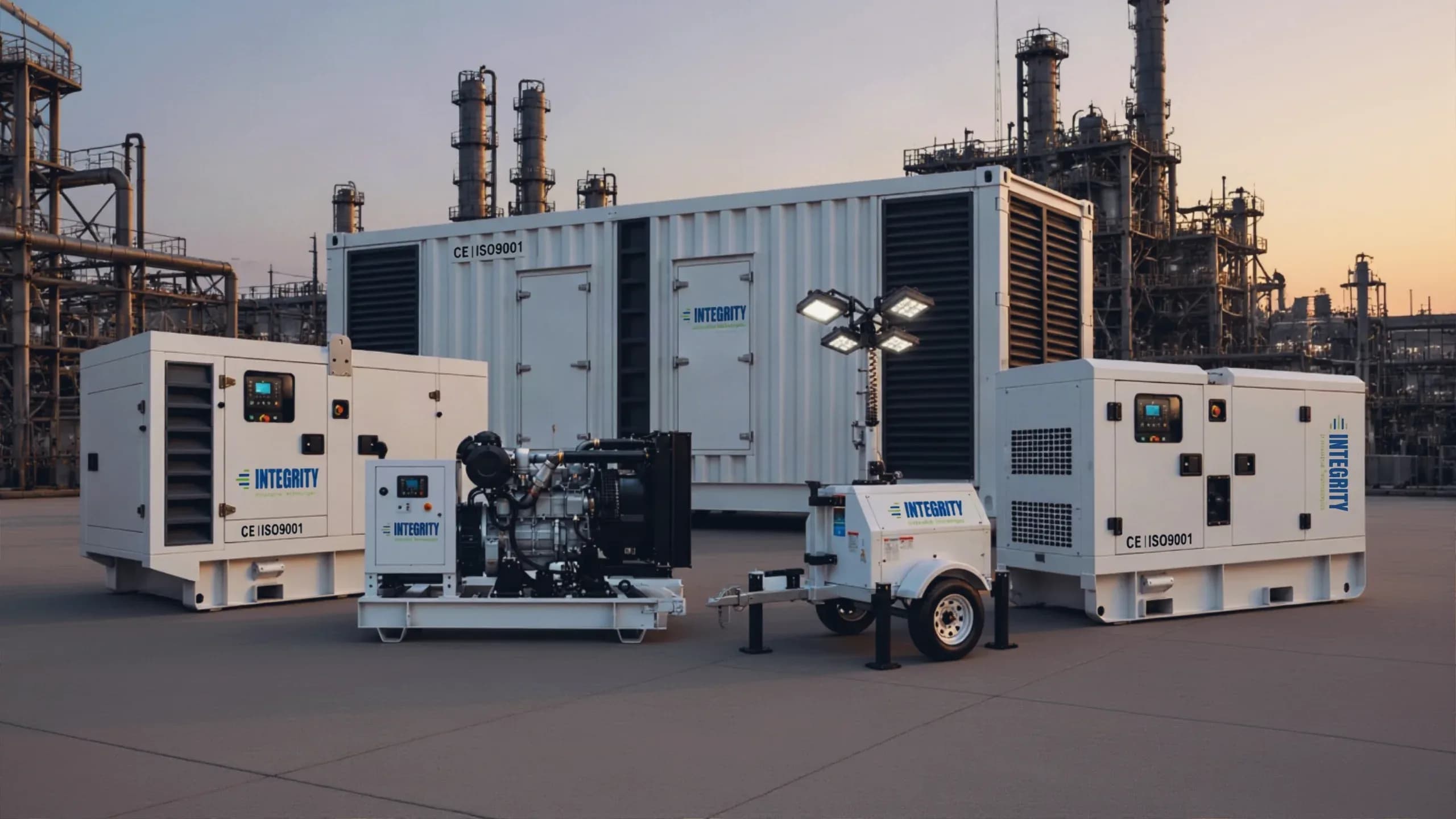
The lowest-risk entry point is usually a battery or backup generator already on site, committed to a capacity program that's rarely called and pays simply for being ready.
From there, facilities can layer in equipment-based load shedding once they understand which processes tolerate a brief pause without affecting output or comfort.
Demand response rewards facilities for flexibility they usually already have — the only missing piece is a system built to use it.