

Smart Grid
Smart grids 101: building a resilient network
How real-time monitoring and automated controls keep power flowing when it matters.
A traditional grid finds out about a problem when a customer calls to report an outage. A smart grid finds out — and often responds — before the lights ever go out.
From reactive to self-healing
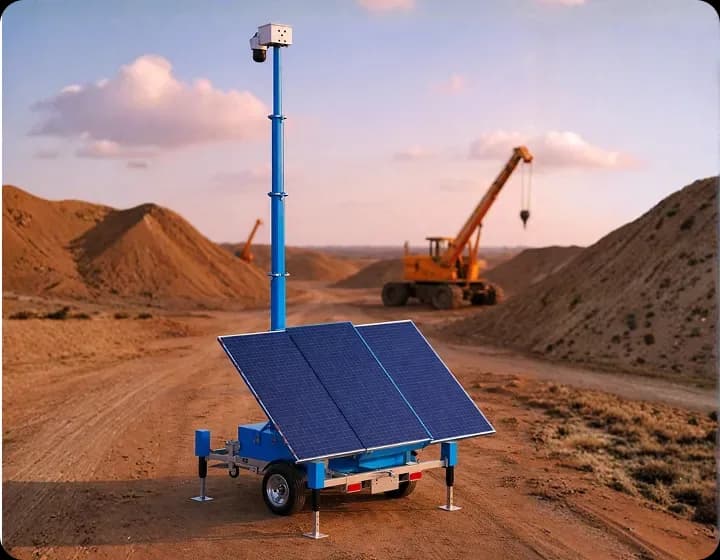
Sensors distributed across feeders and substations give operators visibility down to the individual transformer, turning outage response from a dispatch-and-guess exercise into a precise, data-driven one.
Automated switching takes it a step further: when a fault is detected, the network can reroute power around the affected section in seconds, isolating the problem before most customers notice a flicker.
Resilience isn't about preventing every fault — it's about making sure one fault never becomes everyone's problem.
Four building blocks of a smart grid
- Real-time sensing — granular visibility into voltage, load, and faults across every feeder.
- Automated switching — self-healing reconfiguration that isolates faults in seconds, not hours.
- Two-way communication — grid assets and control centers exchanging data continuously, not on a maintenance schedule.
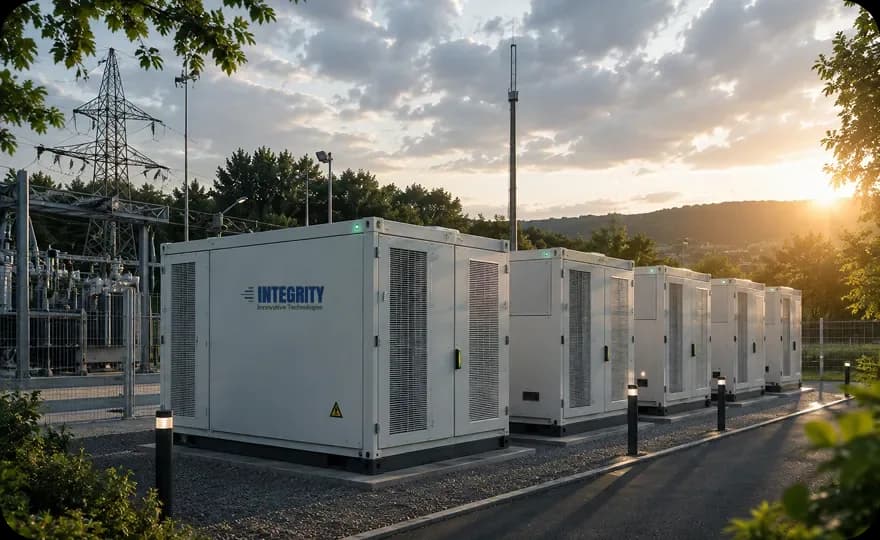
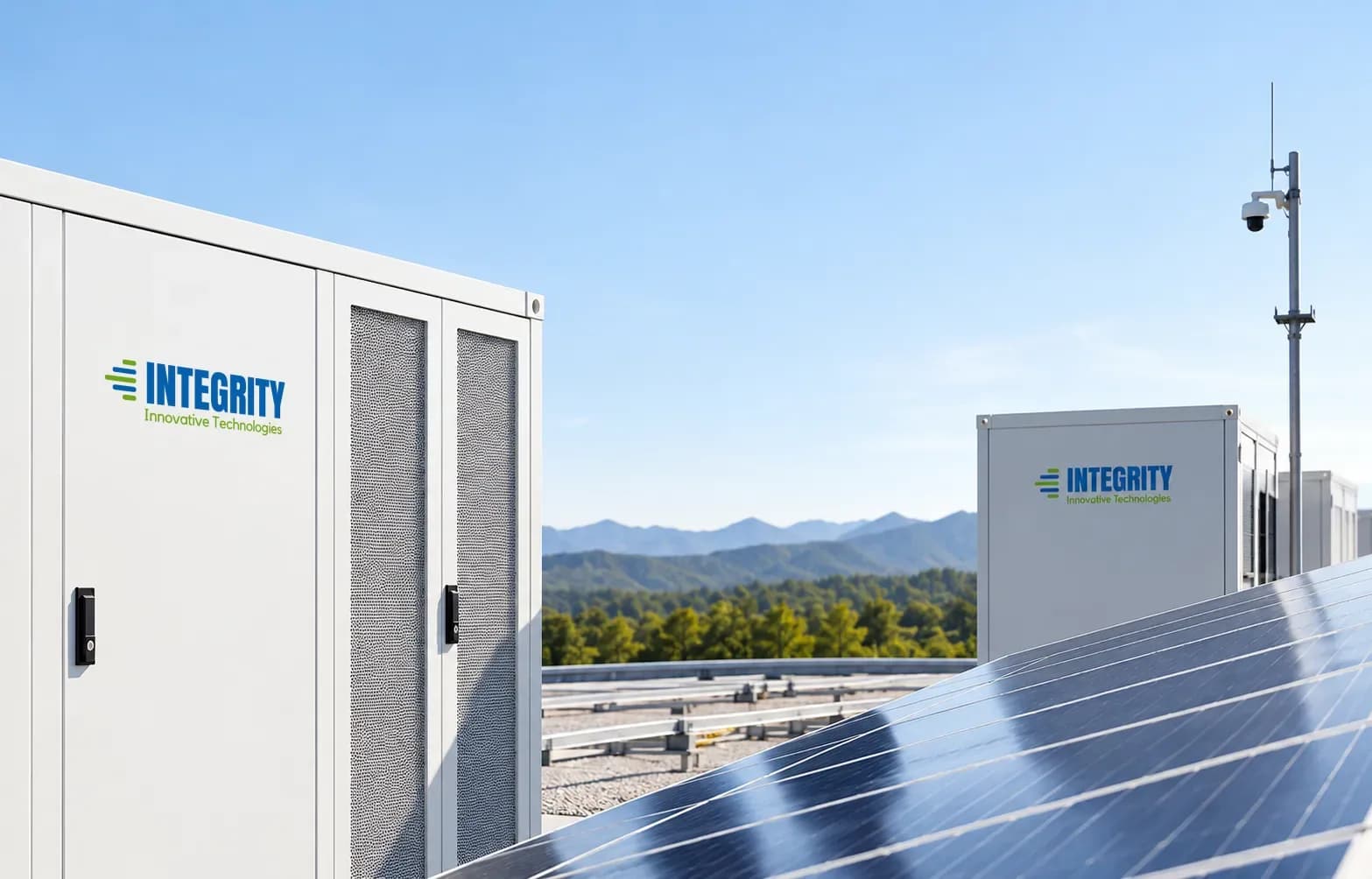
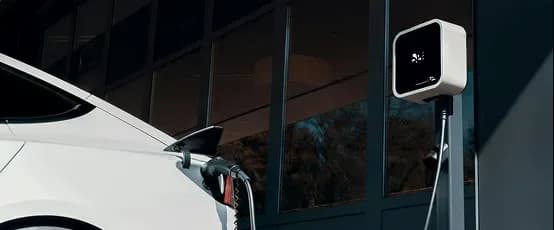
- Distributed energy integration — solar, storage, and EVs treated as grid assets, not just loads.
Where utilities should start
The biggest resilience gains rarely come from the flashiest technology. Upgrading sensing and communication on the feeders with the worst outage history delivers most of the benefit long before a full-network rollout is complete.
From there, automated switching and distributed energy integration compound the gains, turning a network that reacts to problems into one that anticipates them.
The grid of the next decade will be judged less by how much power it delivers and more by how quickly it recovers when something goes wrong.